Home › Construction Site Erosion Control Hydroseeding
We provide construction erosion control hydroseeding in Houston, TX to quickly stabilize disturbed soil on mass grading projects, roadways, and commercial sites. Our crews apply engineered mulch and tackifier systems that reduce sediment loss, protect slopes, and help you meet SWPPP and NPDES requirements.
Legendary Hydroseeding Houston provides professional construction erosion control hydroseeding throughout Houston, TX, Texas and the surrounding area. Our licensed, insured crew delivers safe, clean, on-time work with a free estimate before anything begins. Call 346-420-5672 or request your free quote.
Hydroseeding for real-world Houston construction conditions
Construction erosion control hydroseeding is not just spraying green mulch on dirt. On active Houston job sites it is a way to keep soil in place through heavy Gulf Coast rains while staying compliant with local stormwater rules. Legendary Hydroseeding Houston focuses on what actually happens on working construction sites, not on picture-perfect landscaping.
Most of our work is for general contractors, sitework crews, and civil engineers who need disturbed areas stabilized quickly so they can pass SWPPP inspections and avoid washouts. On a typical project we are tying into a broader erosion and sediment control plan that includes silt fence, rock check dams, inlet protection, and stabilized construction entrances. Hydroseeding is the vegetative piece that locks exposed soils down.
In Houston, soils are often heavy clays mixed with fill, and many sites are flat with poor drainage. That means we have to design the hydroseed mix and application rate around slow-draining ground, steep cuts along detention ponds, and the reality of sudden 3 to 6 inch rain events. We select seed, mulch, and tackifiers with those conditions in mind so you get cover that actually survives the first storm instead of sliding into the nearest storm inlet.
How construction erosion control hydroseeding is actually done
Legendary Hydroseeding Houston follows a clear, field-tested process on every construction erosion control hydroseeding project.
1) Site walk and plan review: We start by reviewing your grading plans, SWPPP, and any City of Houston or Harris County requirements that apply to your project. During the site walk we look at slopes, drainage paths, soil condition, equipment access, and active work zones so our crews are not blocking other trades.
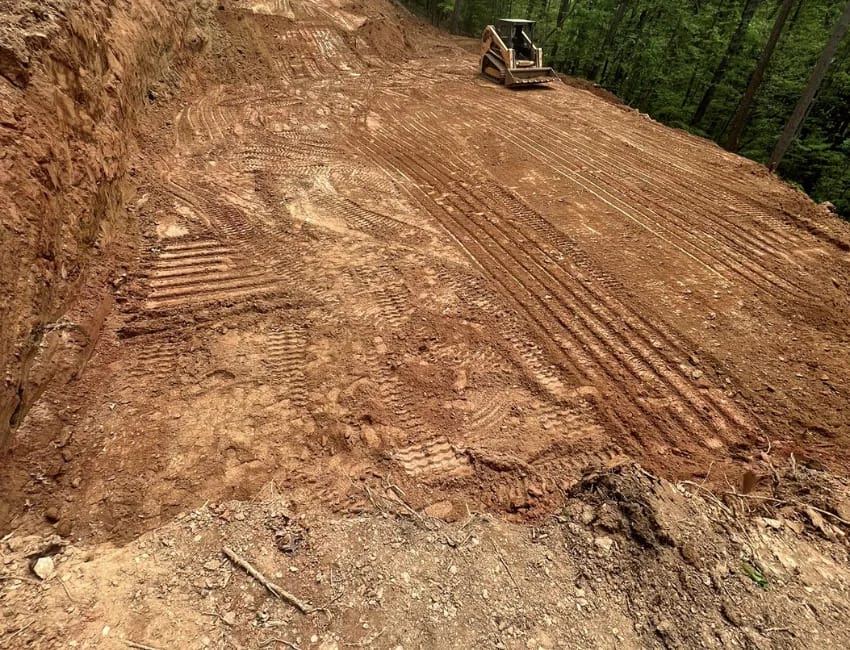
2) Ground preparation: Hydroseed will not fix bad grading. We ask your earthwork crew to have the area rough graded, large rocks removed, and trash cleared. Where needed we lightly scarify compacted clay so roots can get started. On steep slopes or detention pond embankments we may recommend tracking the slopes with dozer cleats running up and down the slope, not across, to give the mulch something to key into.
3) Material selection and mix design: For construction erosion control in Houston we typically blend annual rye or Bermuda with a quick establishing cover like oats, depending on season. On public or TxDOT-adjacent work we can match specified seed mixes. Mulch choices range from standard paper or wood fiber to heavier bonded fiber matrix for high-risk slopes and channel banks. We add tackifiers to glue the mulch together and fertilizers tuned for local soils so the stand establishes quickly.
4) Application with hydroseeding equipment: Our truck-mounted units mix water, mulch, seed, fertilizer, and tackifier into a slurry. Crews shoot the mix through hoses or mechanical guns to get a uniform layer across the target area. On slopes we work from the top down where safe, so we do not disturb freshly sprayed zones. For large flat pads we spray in overlapping passes to avoid bare strips.
5) Final inspection and handoff: Before we leave we walk the site, check coverage, and look for missed corners or behind structures where soil can still wash out. We give your superintendent simple watering and protection guidelines and, for critical detention or drainage areas, we often schedule a follow-up check to confirm germination and coverage before the next major inspection.
Material options, slope solutions, and what affects your cost
Not every construction erosion control hydroseeding job needs the most expensive products. Legendary Hydroseeding Houston helps you match materials to risk, schedule, and budget.
On relatively flat building pads and utility corridors, a standard wood or blended fiber mulch with tackifier is usually enough to keep soil in place until vegetation comes in. On steeper slopes, detention pond sidewalls, channel banks, or areas that carry concentrated flow, we may specify a bonded fiber matrix. This product forms a thicker, interlocking blanket that resists sheet flow and short bursts of runoff better than basic mulch.
Seed mix also affects cost. Simple contractor mixes with rye or Bermuda and a cover crop are usually the lowest cost option for private jobs where aesthetics are secondary to function. Public projects, master planned communities, or work along major corridors may require native or specified mixes, which are more expensive and usually need heavier mulch and closer watering attention.
Primary drivers of price on construction erosion control hydroseeding in Houston are total square footage, slope and access difficulty, type and rate of mulch used, seed mix, and how many mobilizations are needed. A single large mobilization on an open site will cost less per square foot than multiple small visits spread across phasing. Tight access areas that require extra hose runs, spot spray work around utilities, or night and weekend schedules to avoid other trades can also raise the price.
We are transparent with these variables. When Legendary Hydroseeding Houston prices a project, you see line items for material type and application rates, not a single vague “green spray” charge. That makes it easier for GCs and owners to compare options and make smart decisions about where to invest in higher performance erosion control and where a standard system is appropriate.
Common Houston problems and how we prevent failures
Hydroseeding for construction erosion control in the Houston area deals with a specific set of challenges: sudden heavy rainfall, long hot stretches, sticky clays, and ongoing construction traffic. Legendary Hydroseeding Houston has adapted our methods based on years in these conditions.
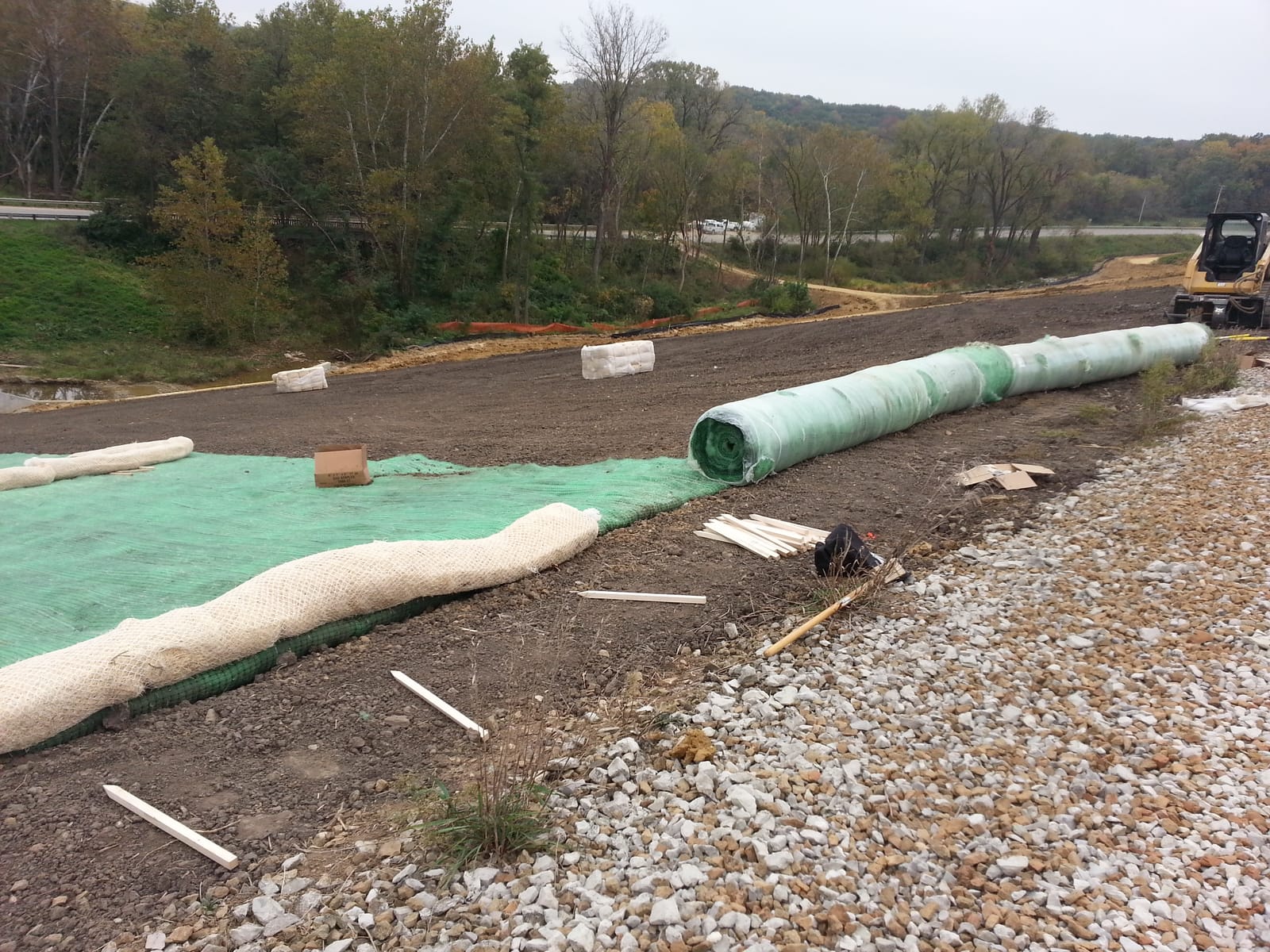
One common failure is washouts at the bottom of slopes or around storm inlets after a major storm. To prevent this, we coordinate with your erosion control subcontractor or site crew so hydroseeding follows installation of silt fence, rock check dams, and inlet protection. On higher risk slopes we often recommend a paired system: hydroseed plus biodegradable erosion control blankets on the most vulnerable sections. The blanket carries the load while the seed establishes.
Another issue is poor germination on over-compacted fills. Where the soil is like concrete, roots struggle. Before we hydroseed, we may suggest that your grading crew run a harrow or rake over the surface or that we lightly scarify by hand in small areas so roots can penetrate. We also adjust fertilizer for nutrient-poor imported fills.
On active sites, the biggest threat is often equipment and foot traffic across newly hydroseeded areas. We flag off hydroseeded zones clearly, communicate with the superintendent about restricted access, and sometimes schedule application for late in the day or just before weekends when fewer crews are present. For phased developments we can break areas into zones that can be truly left alone long enough to establish a stand.
Weather timing is also critical in Houston. We watch the radar and short term forecasts and avoid spraying just ahead of very heavy events that would likely strip the mulch before it can lock in. Fast light showers can actually help set the tackifier, but we plan carefully around strong storm systems, especially on new slopes and pond embankments.
Permits, inspections, and how Legendary Hydroseeding Houston fits into your schedule
Most local construction projects in Houston must follow a Storm Water Pollution Prevention Plan because of state and federal stormwater rules. While hydroseeding itself is not usually a separate permit item, it is a key part of the vegetative stabilization that inspectors from the City of Houston, Harris County Flood Control, and TCEQ representatives expect to see in place according to your SWPPP.
Legendary Hydroseeding Houston regularly works with GCs who need vegetative cover in place before major milestones such as pre final walk-throughs, bond release, or turnover to an HOA or property owner. We ask early about your schedule so we can time hydroseeding when rough grading is complete and there is minimal chance that the area will be disturbed again. This avoids the common problem of having to re-spray because a utility trench or late change order cut through a finished slope.
On master planned communities or commercial projects with detention ponds, the engineer of record often requires established vegetation on pond slopes before signing off. We tailor our mix to meet those specs, and we can provide application documentation and maps to include in your closeout package. For sites with BMP inspections, our crews can mark hydroseeded areas clearly and provide basic maintenance notes that your team can show to inspectors.
Before hiring any hydroseeding contractor in Houston, ask how they coordinate with SWPPP inspectors, whether they have experience with local drainage district or county requirements, and what documentation they provide. With Legendary Hydroseeding Houston, you get crews that understand construction sequencing, safety expectations, and the paperwork side of erosion control, so hydroseeding supports your project instead of causing surprises.