Home › Landfill and Mine Reclamation Hydroseeding
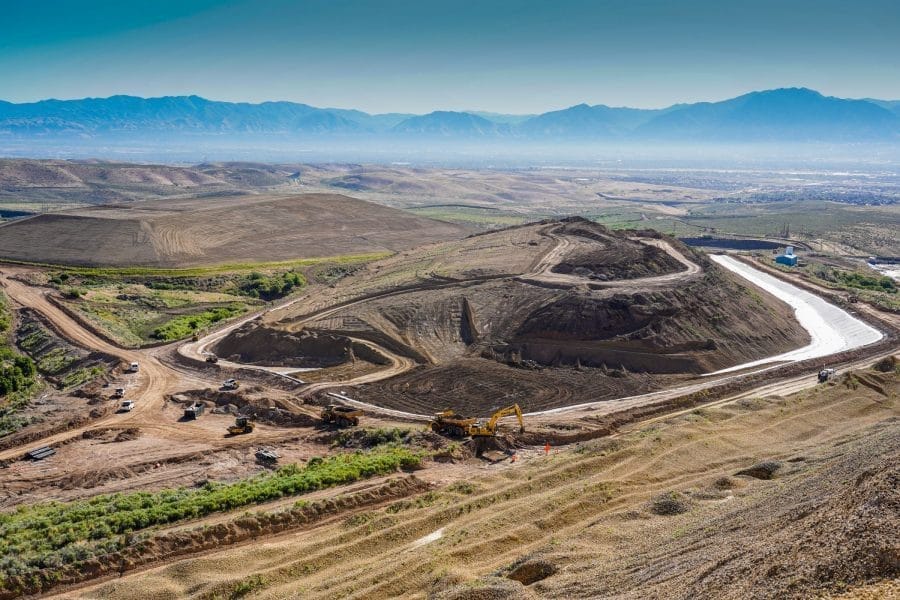
We provide landfill reclamation hydroseeding in Houston, TX to vegetate closed cells, caps, and disturbed borrow areas. Our mixes emphasize erosion resistance and long term ecological stability, helping owners meet regulatory requirements and improve site appearance.
Legendary Hydroseeding Houston provides professional landfill reclamation hydroseeding throughout Houston, TX, Texas and the surrounding area. Our licensed, insured crew delivers safe, clean, on-time work with a free estimate before anything begins. Call 346-420-5672 or request your free quote.
Landfill reclamation hydroseeding in Houston, built for tough sites
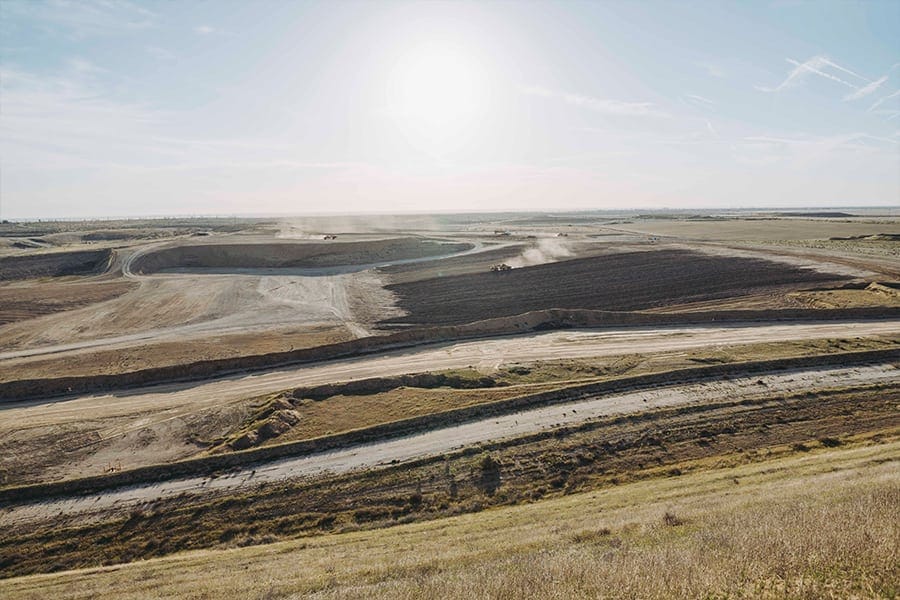
Closed landfills and disturbed mine sites around Houston do not heal on their own. The steep slopes, compacted cover soils, and exposure to Gulf Coast storms make erosion and vegetation failure very likely if the site is not treated correctly. Legendary Hydroseeding Houston focuses on landfill reclamation hydroseeding that is tailored to our local soils and climate, not a generic hydroseed mix from another region.
On a typical landfill or mine reclamation project, our goal is to quickly stabilize the surface, establish deep rooting vegetation, and protect the clay cap or liner from erosion. We start by reviewing your closure plan, storm water pollution prevention plan (SWPPP), and any TCEQ or municipal requirements for your specific site in the Houston area. Then we match a seed mix and mulch system to your slopes, soil chemistry, and maintenance budget so you get a stand of vegetation that actually survives our heat, humidity, and heavy rain events.
Because these are regulated sites, documentation and consistency matter just as much as the green grass. We photograph conditions, note mix rates, and track application areas so you can respond confidently to regulators, inspectors, or corporate environmental audits.
How our landfill and mine hydroseeding process works
Legendary Hydroseeding Houston uses a step-by-step approach that fits the unique challenges of closed landfills, borrow pits, and mined sites around Houston.
1) Site walk and soil evaluation: We walk the cells or slopes with you, check cover soil depth, identify rills and gullies, and look for ponding or high-flow drainage paths. On older caps, we often find crusted, hydrophobic soil that must be broken up lightly so the slurry can bond.
2) Surface preparation: On most reclamation projects, heavy tilling is not allowed in order to protect the cap. Instead, we use low-impact methods such as track-walking slopes with a dozer, light scarification where permitted, clearing debris, and mowing down woody volunteers. The goal is to create just enough roughness and exposed fines for mulch to lock in.
3) Custom hydroseed slurry design: For landfill reclamation hydroseeding we typically combine region-specific grasses (such as common and hybrid bermuda, annual and perennial ryegrass for quick cover, and native blends where specified) with a high-performance mulch, tackifier, fertilizer, and soil amendments. On steep or highly erodible slopes in Houston’s clay soils, we often specify bonded fiber matrix (BFM) or flexible growth media instead of basic paper mulch, which gives better resistance to our intense thunderstorms.
4) Application with large-capacity equipment: Our agitated tank hydroseeders can reach the top of tall landfill slopes and long mine highwalls using high-pressure cannons and hose lines. We apply the slurry in a uniform, overlapping pattern so there are no thin spots that might erode first. Where plans call for a two-step process, we apply seed first, then a heavier mulch layer.
5) Post-install inspection and touch-ups: After the first heavy rain, we revisit the site to check for washouts, clogging at toe drains, or areas where settlement has exposed subgrade. Small failures are repaired by re-spraying; larger issues may require adding check dams or adjusting drainage before reseeding.
Throughout the process, we coordinate with your landfill manager, environmental consultant, or mine engineer so the work fits your operating schedule and regulatory timelines.
Mixes, materials, and options for Houston reclamation sites
The success of landfill reclamation hydroseeding in the Houston area depends heavily on choosing the right combination of seed, mulch, and soil treatments. Legendary Hydroseeding Houston starts with your specifications then suggests practical adjustments based on what we see working on similar local sites.
Seed selection: For closed MSW landfills and construction debris landfills, a common approach is a bermuda-based mix for long-term turf stability, with fast-germinating nurse species like annual ryegrass to hold soil while the bermuda establishes. On industrial or mined properties that must meet ecological restoration goals, we can incorporate native warm-season grasses and forbs that tolerate poor, rocky, or acidic spoil materials. We also consider shade from perimeter tree lines and microclimates created by tall cells or berms.
Mulch and erosion control choice: On gentle caps, a premium wood fiber mulch with tackifier may be sufficient. On steeper side slopes or where runoff concentrates, we often recommend a BFM or FGM product, or a two-stage system that combines hydroseeding with straw blanket or turf reinforcement mat in critical flow areas. These choices are driven by slope length and gradient, soil type, and expected storm intensity based on Houston’s NOAA rainfall data.
Soil amendments and fertilizer: Many cover soils imported to Houston landfills are low in organic matter and nutrients. We run basic soil tests where needed, then add slow-release fertilizers, lime or gypsum, and sometimes organic amendments to improve infiltration and root development. The rates are adjusted to avoid nutrient runoff that could affect leachate or storm water quality.
Additives for challenging conditions: On particularly dry or south-facing slopes, we can include soil surfactants and water-holding polymers to help seedlings bridge the first hot, dry spells. In areas exposed to prevailing coastal winds, we bump up mulch application rates and tackifier to reduce crusting and wind scour.
Costs, timelines, and what drives your reclamation budget
Landfill reclamation hydroseeding is not a one-size-fits-all line item. Legendary Hydroseeding Houston is transparent about what affects cost so you can plan realistically and compare bids on equal footing.
Key cost drivers include:
• Access and mobilization: Remote cells at the back of a landfill, limited access roads, or the need for smaller equipment because of weight restrictions can increase labor time and mobilization charges. Closer, easier-to-reach slopes cost less per acre.
• Slope and acreage: Steeper, longer slopes require more advanced mulch systems, higher application rates, and more time to spray safely. Large, open areas on gentle grades are faster to cover and can benefit from volume pricing.
• Mulch system type: There is a major difference in material cost between basic fiber mulch and high-end BFM or FGM products. For many Houston sites, the higher upfront cost of BFM is offset by fewer call-backs to repair erosion after big storms.
• Seed mix and regulatory requirements: Native seed blends or mixes specified by environmental consultants for mine reclamation usually cost more than standard turf-type mixes. If your permit calls for specific species, growing season windows, or monitoring thresholds, we build that into the pricing and schedule.
• Site prep needs: If significant erosion repair, rill grading, or debris removal is required before hydroseeding, that adds to the total. Many clients choose to handle basic grading in-house, then have us focus on the hydroseeding itself.
Typical timelines: In the Houston area we often target major hydroseeding work in early spring or fall, which aligns with better germination conditions and regulatory deadlines. However, with the right mulch and irrigation access, we can successfully establish cover even in hotter months. From notice to proceed, most projects are scheduled within 1 to 3 weeks, depending on acreage and weather, and the actual spraying usually takes 1 to several days.
We also discuss realistic expectations. On a properly designed landfill reclamation project, you should see germination in 5 to 14 days in warm weather, with a solid stand of grass within 6 to 8 weeks, provided there is sufficient rainfall or supplemental water.
Why Houston-specific experience matters for landfill and mine reclamation
Working on an active or closed landfill or mine near Houston is very different from hydroseeding a commercial lawn. Legendary Hydroseeding Houston understands the safety, environmental, and logistical constraints that come with these sites and tailors our approach accordingly.
Local climate and storm patterns: Houston’s sudden, high-intensity storms can wipe out a thin hydroseed application overnight. Our crews plan around forecasted fronts, choose mulch and tackifier systems that can withstand several inches of rain in a short period, and pay close attention to slope breaks, benches, and drainage structures that tend to fail first.
Regulatory familiarity: We routinely coordinate with TCEQ requirements, local county engineering departments, and municipal solid waste regulations that apply to closure and post-closure care. That experience means we understand how inspectors view cover density, erosion control, and access, and we document our work so you can demonstrate compliance.
Coordination with operations: On active landfills, we plan our work around daily tipping operations, gas well maintenance, and heavy equipment traffic. We schedule hydroseeding on completed lifts or closed cells so spray areas are not damaged by trucks and dozers the next day. On mine and borrow sites, we coordinate with ongoing excavation or backfilling so hydroseeded areas stay protected.
Long-term performance mindset: Our goal is not just to “green it up” for a photo. We aim for vegetation that lasts throughout your post-closure monitoring period. That is why we discuss follow-up mowing, spot spraying of invasive species, and potential overseeding in thin areas. Many clients bring us back annually for targeted touch-ups instead of full-scale reseeding which keeps costs manageable and performance high over time.