Home › Slope, Embankment, and Retention Pond Hydroseeding
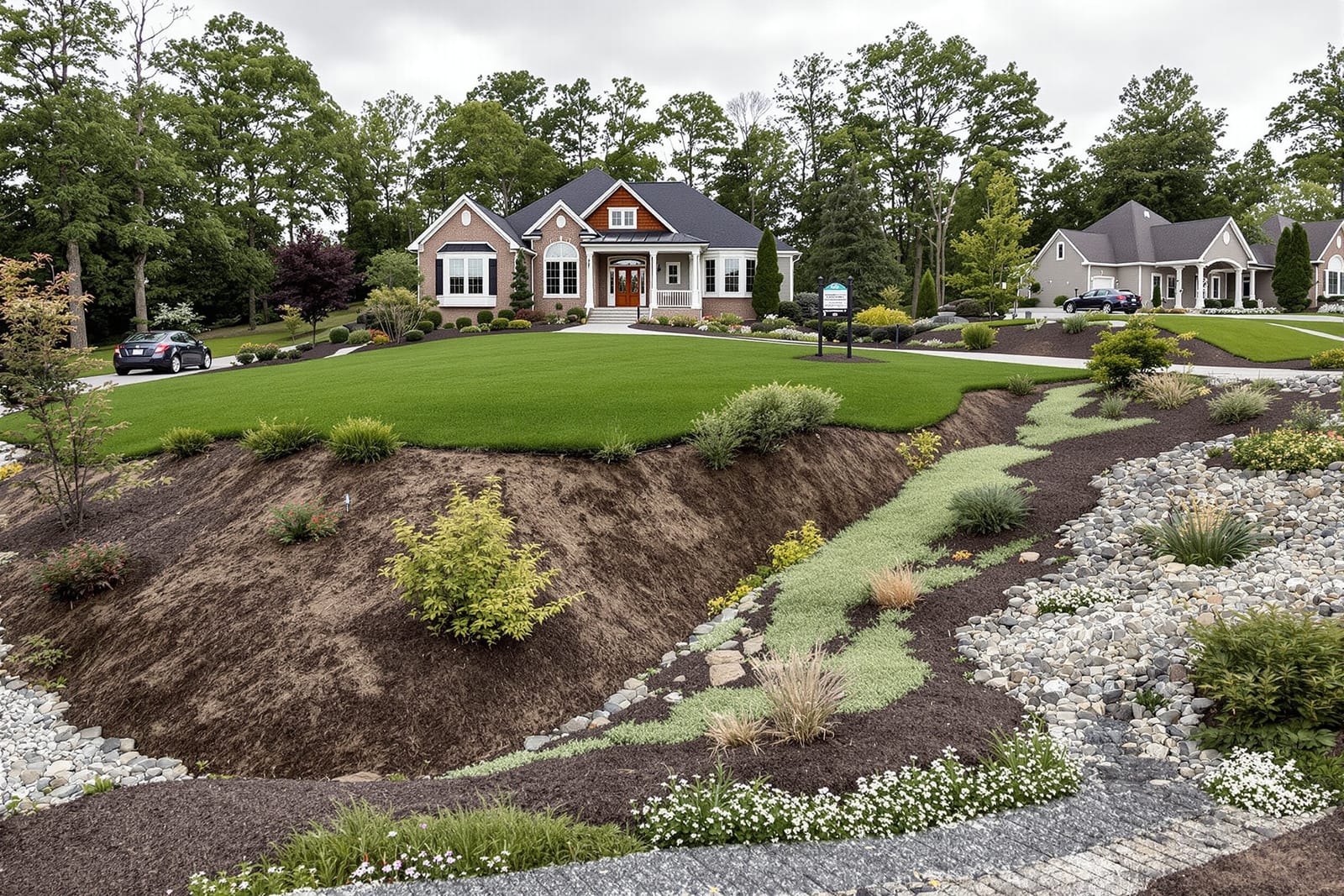
Our commercial slope hydroseeding in Houston, TX stabilizes embankments, detention basins, and retention ponds on development and infrastructure projects. We match seed and mulch systems to soil and slope conditions, creating dense cover that controls erosion and improves stormwater performance.
Legendary Hydroseeding Houston provides professional commercial slope hydroseeding throughout Houston, TX, Texas and the surrounding area. Our licensed, insured crew delivers safe, clean, on-time work with a free estimate before anything begins. Call 346-420-5672 or request your free quote.
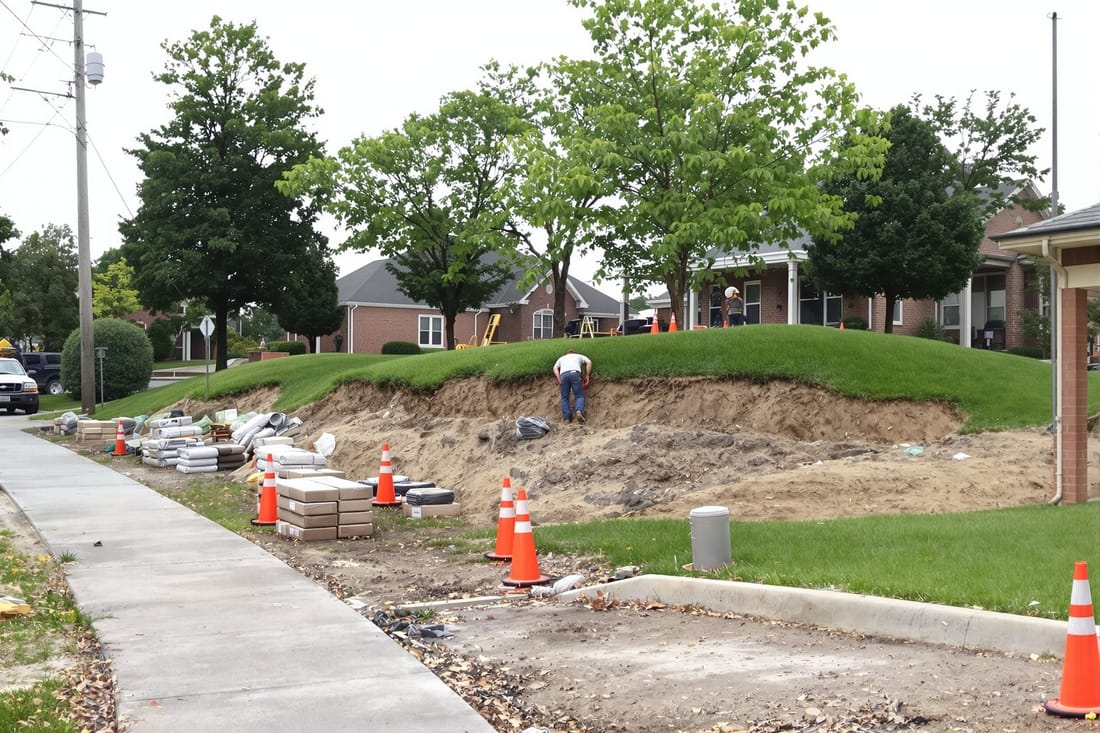
Stabilizing Houston Slopes, Embankments, and Ponds With Hydroseeding
Steep slopes, detention and retention ponds, and roadside embankments in Houston need more than a quick grass mix. They face fast-changing weather, heavy Gulf Coast storms, and our clay-heavy soils. At Legendary Hydroseeding Houston, we design commercial slope hydroseeding systems that match these conditions so soil stays in place and vegetation takes root quickly.
We focus on projects where erosion control is critical. That includes commercial developments along Beltway 8, detention and retention ponds behind new subdivisions in Katy and Cypress, and older drainage channels in areas like Spring Branch and Pasadena. Each site gets its own plan based on slope angle, soil type, and how fast water moves across or through the area.
Instead of just spraying seed, we apply a blended hydraulic mulch, seed, tackifier, fertilizer, and soil amendments in one application. This creates a protective layer that helps seed germinate and holds the soil during heavy rain. For steeper banks or high flow areas, we combine hydroseeding with erosion control blankets or turf reinforcement mats so the vegetation and structural support work together.
Whether you manage a commercial property, multi-family community, municipal facility, or industrial site, we help you turn bare, eroding slopes into stable, vegetated systems that meet Houston stormwater and appearance expectations.
How Commercial Slope Hydroseeding Actually Works
For commercial slope hydroseeding, our crew follows a step-by-step process so you know exactly what will happen on your property.
1. Site walk and slope assessment. We walk the site with you, measure slope gradients, look at existing erosion patterns, and identify where water concentrates. On older Houston properties, we often find compacted clay from previous construction or fill material that sheds water instead of absorbing it.
2. Soil testing and amendment plan. For larger projects, we take soil samples to a local lab to check pH, salinity, and organic content. Houston clays are often slightly alkaline and low in organic matter, which affects seed choice and fertilizer rates. We build a custom amendment plan so the seed mix has the best chance to root.
3. Grading and surface preparation. If needed, we coordinate or provide light regrading to smooth ruts, remove gullies, and shape the slope for proper drainage toward inlets or ponds. We remove large debris, scarify compacted areas a few inches deep, and sometimes incorporate compost or topsoil in thin layers instead of thick, unstable fill.
4. Material selection. We choose a hydromulch blend (paper, wood, or a bonded fiber matrix) based on slope steepness and expected water flow. For mild slopes and roadside embankments, a high-wood content mulch is usually enough. For detention pond banks or outfall areas that see strong flow, we may specify a bonded fiber matrix and a stronger tackifier to lock everything in place.
5. Seed mix design. We select seeds that handle Houston heat, humidity, and periodic flooding. That often means blends of Bermuda, Bahia, or Buffalograss for sun-exposed slopes, with rye or other quick-germinating species as a nurse crop for fast cover. Along pond edges, we may include species that tolerate periodic inundation, and we adjust for shaded slopes near tree lines.
6. Application. Using hydroseeding tanks and hose lines, we spray the slurry from the top or bottom of the slope, overlapping passes so there are no bare streaks. On very steep banks, we may stage equipment at both the crest and toe of slope for complete coverage and to reduce tracking damage.
7. Optional reinforcement. Where specified, we install erosion control blankets, turf reinforcement mats, or rock checks in concentrated flow paths before or after hydroseeding. The vegetation then grows through the reinforcement for long-term stability.
8. Watering and establishment guidance. Hydroseeding is not complete without a clear watering plan. We provide schedules tailored to the season and your irrigation capabilities and can coordinate with your maintenance contractor so the new vegetation is not accidentally mowed or disturbed too early.
Hydroseeding Solutions for Embankments and Retention/Detention Ponds
Houston commercial properties commonly include detention and retention ponds for stormwater management. These features have strict performance requirements, and bare clay sides quickly lead to erosion, silt buildup, and maintenance headaches. Legendary Hydroseeding Houston designs hydroseeding systems specifically for these high-risk zones.
On pond embankments, we start by reviewing your engineering drawings or as-builts so we understand the design water levels and freeboard. We look at inlet and outlet structures, emergency overflows, and any areas where water overtops the bank. These high energy locations get more robust treatments such as stronger mulches and, in some cases, rock armoring combined with hydroseeding upslope.
For the side slopes of detention ponds (often 3:1 or steeper in Houston developments), we typically recommend a bonded fiber matrix mulch and a deep-rooted grass mix. The mulch helps hold seed on the slope during heavy rain, while the roots anchor into the native clay over time. Where inspectors require quick cover for compliance, we include fast-germinating nurse grasses that green up quickly while the permanent species establish.
In and around the pond bottom and forebays, we use plant mixes that tolerate periodic standing water and sediment. These plants help filter runoff and reduce resuspension of silt. We coordinate plant selection with your civil engineer or landscape architect when needed to match drainage criteria and local regulations.
We also pay attention to access routes. Maintenance crews need to be able to mow and inspect ponds safely. We design vegetation zones that balance erosion control with clear access paths, so your team is not fighting through tall, inappropriate vegetation to reach inlets or headwalls.
For roadside and rail embankments, we tailor the program to work with existing drainage patterns and traffic constraints. We plan work to minimize lane closures when possible and use hydroseeding equipment that can reach difficult areas without heavy equipment tracking on newly graded slopes.
What Affects Cost for Slope and Pond Hydroseeding in Houston
Commercial slope hydroseeding is highly cost-effective compared to sod or hard armoring, but pricing varies based on site and design. Understanding the main cost drivers helps you budget and compare proposals fairly.
Slope size and access. Large contiguous slopes usually cost less per square foot than many small, scattered areas. If slopes are behind buildings, across ditches, or require long hose runs, setup time increases. In Houston, sites with soft or wet soils may limit equipment access, which can affect production rates and cost.
Slope steepness and risk. Steeper slopes, pond embankments, and areas with history of erosion typically require stronger mulch types, higher application rates, or additional reinforcement products. These materials cost more up front but reduce the risk of slope failure or rework after a storm.
Soil condition and preparation. Bare construction fill that is already graded and relatively smooth is more straightforward. If we need to correct rills and gullies, scarify compacted layers, or coordinate import of quality topsoil or compost, that adds labor and material cost. However, better preparation often reduces long-term maintenance and reseeding.
Seed and mulch specifications. Engineer-stamped plans, municipal standards, or HOA guidelines may dictate specific seed blends, fertilizer formulations, or mulch rates. Using certified materials and higher application rates increases cost but is often necessary for compliance and performance.
Timing and scheduling. In Houston, the best windows for hydroseeding are typically spring and fall when temperatures and rainfall patterns support germination. If your project schedule requires work outside these windows, we may recommend adjusted seed mixes, irrigation plans, or protective measures, which can influence cost.
At Legendary Hydroseeding Houston, we provide line-item proposals that show square footage, product types, and application rates. This transparency makes it easier to understand what you are paying for and to compare our plan with alternatives that might appear cheaper but use lighter specifications.
Common Problems on Houston Slopes and How We Address Them
Our team works on many older and newer sites across the Houston area, and we see the same issues repeat. Addressing these early in design and installation helps avoid expensive repairs.
Issue 1: Clay slopes that crust and shed water. Houston clays can form a hard crust that makes it difficult for water and roots to penetrate. We counter this by lightly scarifying the surface, adding organic amendments where practical, and choosing seed varieties with stronger root systems. The hydromulch layer helps keep the soil surface moist so roots can break through the crust.
Issue 2: Rilling after the first heavy rain. If slopes are left bare or covered only with a thin seed application, the first big storm can carve small channels. Our commercial slope hydroseeding approach uses higher mulch and tackifier rates in high risk areas, and we may add temporary rock checks, diversion berms, or edge treatments to slow water and keep it on the slope longer.
Issue 3: Uneven vegetation due to shade or moisture differences. Sides of ponds or embankments near trees or buildings can have very different light and moisture conditions from the rest of the slope. We often zone seed mixes, using shade tolerant species where needed and drought tolerant species on hot, south facing banks so coverage looks more consistent over time.
Issue 4: Maintenance damage. Newly hydroseeded slopes can be set back by early mowing, foot traffic, or vehicle tracking. We provide clear establishment timelines and simple color-coded maps if needed so your maintenance teams know when and where they can safely work. For high traffic areas, we may recommend temporary fencing or signage.
Issue 5: Stormwater compliance worries. Many property managers are under pressure to keep ponds and drainage features within permit requirements. We design hydroseeding plans with inspectors in mind by targeting rapid initial cover, long term root stability, and clear documentation of seed mixes and application rates for your records.
Why Work With Legendary Hydroseeding Houston
Slope and pond hydroseeding is not a one-size-fits-all spray job. It affects the safety, appearance, and regulatory compliance of your site for years. Legendary Hydroseeding Houston focuses specifically on Houston conditions, from our hot summers and sudden downpours to local soil types and drainage regulations.
We are familiar with the needs of commercial developers, general contractors, property managers, and municipalities across the metro area. That includes coordinating with civil engineers, landscape architects, and inspectors, and working around tight construction schedules or tenant move-in dates. Our crews are trained to operate safely around water features, roadways, and active job sites.
Every project, whether a small repair on an eroding slope behind a shopping center or a full pond bank stabilization for a new subdivision, receives a site-specific plan. You get clear communication about materials, methods, and timelines, along with realistic expectations for establishment times in different seasons.
If you are planning a new commercial development, dealing with ongoing erosion at an existing pond, or preparing for turnover to an HOA or municipal authority, Legendary Hydroseeding Houston can help you stabilize slopes and embankments with a practical, vegetation-based solution. We can review your drawings, walk the site, and provide a commercial slope hydroseeding proposal that fits both performance needs and budget.