Home › Dust Control and Soil Stabilization
We provide dust control hydroseeding in Houston, TX for construction sites, stockpiles, and unpaved traffic areas. Our spray applied mulch and stabilizer systems lock fines in place, reduce airborne dust, and improve site safety and compliance.
Legendary Hydroseeding Houston provides professional dust control hydroseeding throughout Houston, TX, Texas and the surrounding area. Our licensed, insured crew delivers safe, clean, on-time work with a free estimate before anything begins. Call 346-420-5672 or request your free quote.
Dust control hydroseeding that actually works in Houston conditions
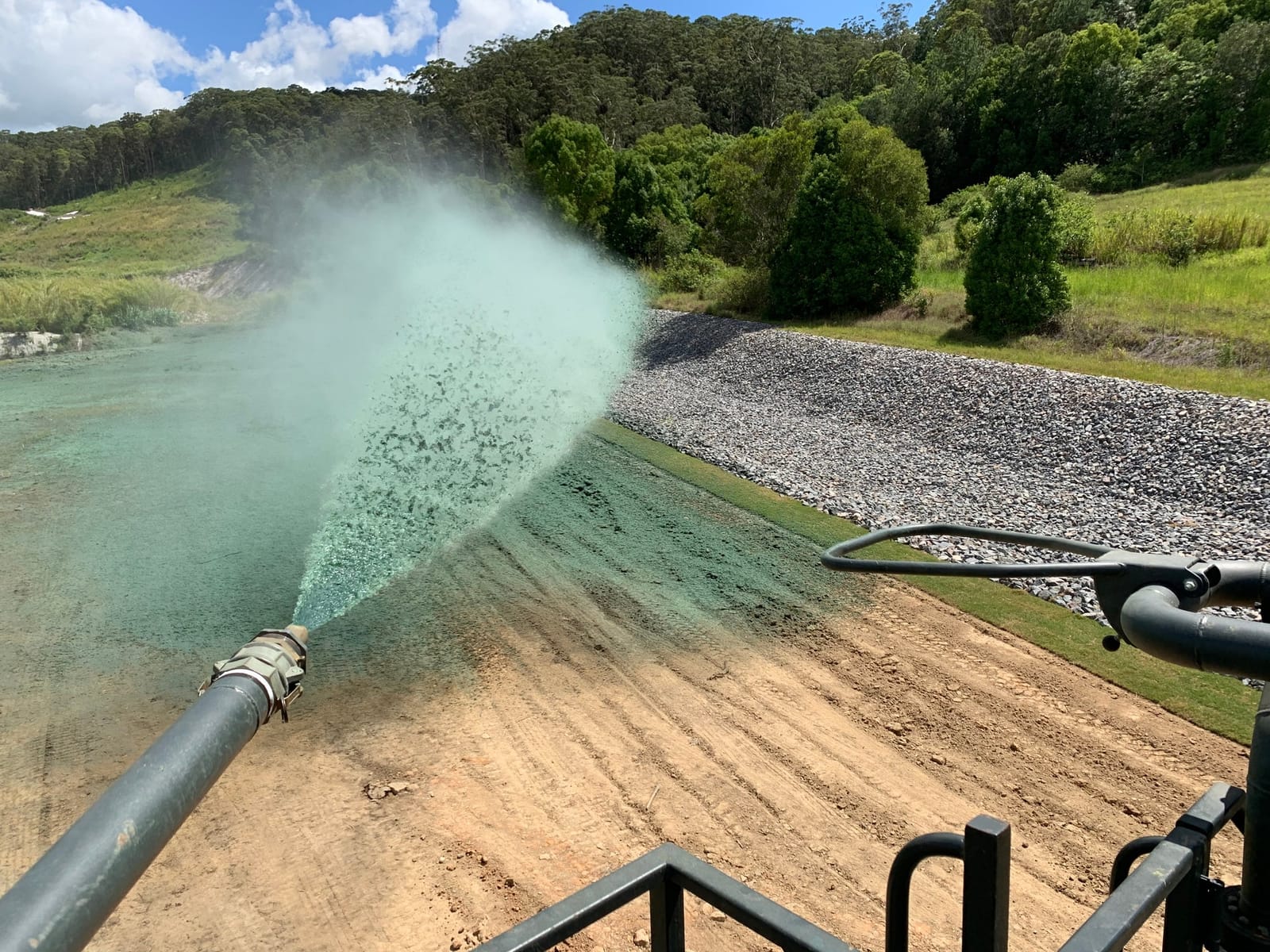
Dust control hydroseeding is not just spraying some water and mulch on the ground. At Legendary Hydroseeding Houston, we treat it as a soil management system that has to survive Gulf Coast sun, sudden storms, and long dry spells. For dust control and soil stabilization, we use a slurry made from water, wood or paper fiber mulch, tackifiers (glue-like binders), and sometimes soil conditioners. This slurry is sprayed under pressure to create a continuous mat that locks loose soil in place and dramatically cuts airborne dust.
In the Houston area, this is especially important on new construction sites, pipeline corridors, detention ponds, and long gravel drives near neighborhoods or businesses. Uncontrolled dust can cause air quality complaints, equipment wear, and safety issues on roads. Our dust control hydroseeding is designed to handle the fine, easily wind-blown clays and silty sands that are common around Houston, not just clean topsoil that looks good in photos.
We also look at drainage and slope before we ever fire up the hydroseeder. Areas that receive concentrated runoff may need heavier mulch, silt controls, or a different product blend so the protection does not wash away during the first heavy rain. That local field experience is what keeps the treatment in place instead of ending up at the bottom of your jobsite.
How our dust control and soil stabilization process works
Our process is straightforward, but we are careful with every step because small mistakes show up quickly in Houston weather.
1. Site walk and soil assessment: We inspect the site to identify soil type, existing vegetation, traffic patterns, and problem areas like loose fill, wind corridors, and slopes. On industrial or commercial projects we often coordinate with your superintendent or project manager so we know what areas must remain accessible for trucks and equipment.
2. Surface preparation: We remove large debris and loose trash and, if needed, lightly grade or track-walk steep slopes to give the slurry something to grab onto. We avoid overworking the soil, which can make dust problems worse. If the surface is extremely dry and powdery, we may recommend a light pre-wetting pass so the slurry bonds instead of bouncing off.
3. Custom slurry mix for dust control: For pure dust control and short-term stabilization, we typically use a higher tackifier rate and a dense mulch load, sometimes with a soil penetrant or polymer added for very sandy or highly trafficked areas. For longer-term stabilization, we can include seed that is appropriate for Houston, such as Bermuda or a warm-season mix, so that once the mulch breaks down, roots hold the soil together.
4. Application with coverage mapping: We apply the dust control hydroseeding slurry using a hydraulically agitated tank and high-pressure hose. Our crew works in systematic passes and pays extra attention to edges, inlets, and transitions from stabilized to active work areas. On large jobs, we document which zones are treated and what mix was used, which is important for compliance reporting and future maintenance.
5. Final inspection and touch-ups: The crew performs a walkthrough to check for thin spots, skips, or overspray onto sensitive areas like sidewalks or building facades. Thin areas are touched up immediately so you get a continuous protective layer from the start.
Material options, durability, and what affects cost
There is no single dust control product that fits every property in the Houston area. At Legendary Hydroseeding Houston, we explain your options in plain language so you can choose the right balance of cost, durability, and appearance.
For short-term dust control on active construction sites, we often use a standard cellulose or blended mulch with a strong tackifier. This is usually enough to control dust for several weeks to a few months, depending on traffic and weather. It is typically the most affordable option per square foot.
For longer-term soil stabilization, such as around detention ponds, on utility easements, or on sloped lots, we may recommend a premium wood fiber mulch, bonded fiber matrix, or flexible growth medium. These stay in place better during heavy storms, which are common in Houston from late spring through early fall. They cost more upfront but often save money by reducing the need for reapplication and sediment cleanup.
Several factors drive cost: total square footage, ease of access for the hydroseeder truck, slope steepness, soil condition, and whether we are adding seed or soil amendments. A flat, open site near a truck entrance in North Houston will be more economical to treat than a tight, steep rear slope behind a home in the Energy Corridor that requires long hose pulls and careful spraying.
We also consider timing. If you schedule during an especially hot and windy stretch of summer, we may recommend heavier tackifier or a different product blend to prevent premature drying and cracking. That can slightly increase material cost, but it also reduces the chance you will need us back in a few weeks to fix failures.
Common dust control problems in Houston and how we handle them
Houston’s climate creates a unique mix of issues for dust control and soil stabilization. Strong afternoon thunderstorms can hit a freshly treated slope the same day, and long stretches of wind and sun can bake the surface, causing some products to crack if they were not mixed or applied correctly.
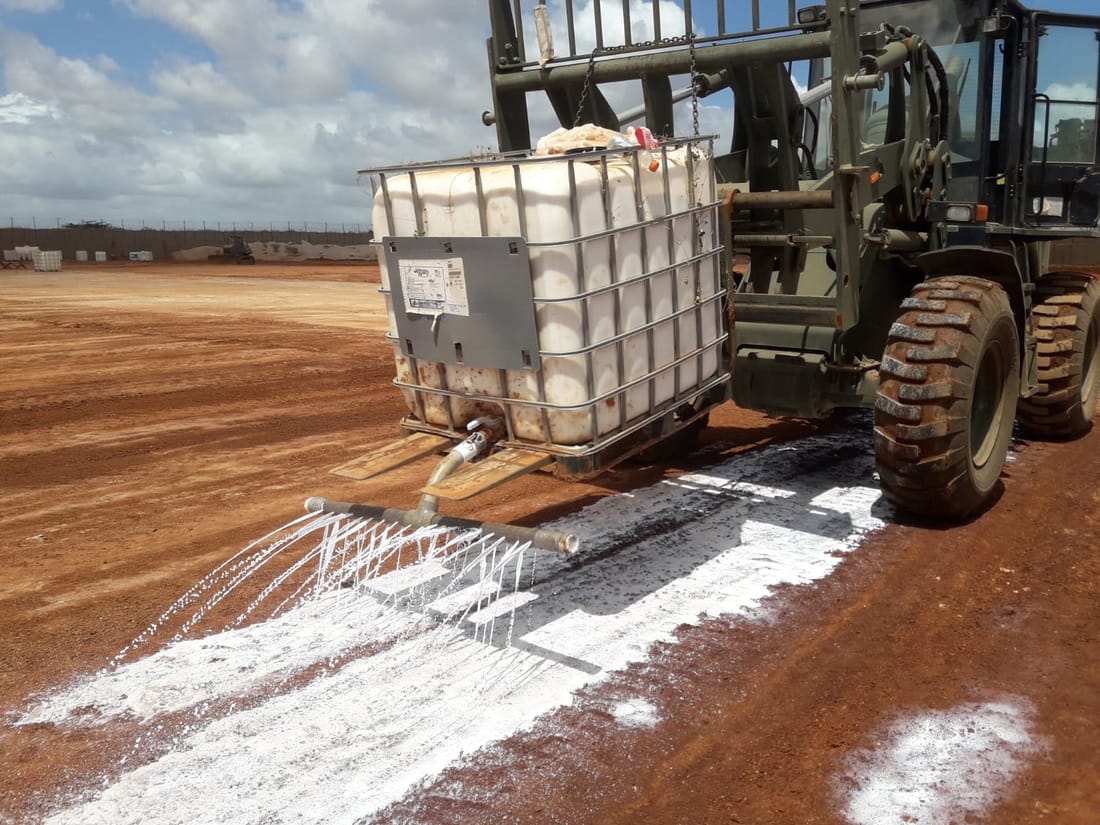
One common issue is dust kicking back up along haul routes and temporary access roads. In these areas, we usually apply a more durable slurry and clearly define travel paths so trucks and equipment are not constantly grinding away the treated surface. On high-traffic construction entrances, we may advise combining dust control hydroseeding on the shoulders with rock or other stabilized material on the driving surface.
Another problem is sloughing or small slides on over-steepened fill slopes. If we see signs that the soil is not compacted well enough, we will point it out before application. Hydroseeding is not a substitute for proper engineering or compaction, and a good contractor will tell you that upfront. Where slopes are structurally sound but vulnerable to surface erosion, we can adjust mulch rates, choose a stronger matrix, or pair hydroseeding with erosion control blankets in critical sections.
We also see issues around detention ponds and drainage ditches, especially where water levels rise and fall quickly. In these zones, we often use heavier wood fiber mixes and regionally appropriate grasses whose roots tolerate periodic flooding. Stabilizing these areas correctly helps keep sediment out of downstream storm sewers, which is increasingly important for developments in and around Houston.
When to schedule dust control hydroseeding in Houston and what to expect
In the Houston area, we perform dust control and soil stabilization year-round, but certain times are better depending on your goals. For pure dust suppression on active construction sites, we can treat virtually any time the ground is not saturated. For combined dust control and vegetation establishment, spring and early fall are ideal because soil temperatures favor quick germination and you get more predictable rainfall.
Before you hire any contractor, ask for details about the specific mix they plan to use, how many pounds of mulch and tackifier per acre they recommend for your soil and slope, and what kind of equipment they use. A vague promise to "spray something that will hold the dust down" is a red flag. At Legendary Hydroseeding Houston, we provide written scopes that describe the product types, rates, and areas to be treated so you know exactly what you are paying for.
During application, you can expect some short-term moisture and a green or brown tint on the ground, depending on the mulch selected. The area should be kept as undisturbed as possible until the surface dries and the tackifier cures, usually within a few hours. On commercial or municipal projects, we can coordinate with your schedule so critical access points are treated at the right time of day and traffic impacts are limited.
Afterward, the site should show a consistent, even layer of material. Thin, patchy coverage is a sign of under-application. If wind or heavy rain is in the forecast, we may suggest additional perimeter controls or quick spot checks. Our goal is to give you a dust control hydroseeding system that stays in place and works, not something that disappears after the first Gulf Coast storm.