Home › Slope and Bank Erosion Control Hydroseeding
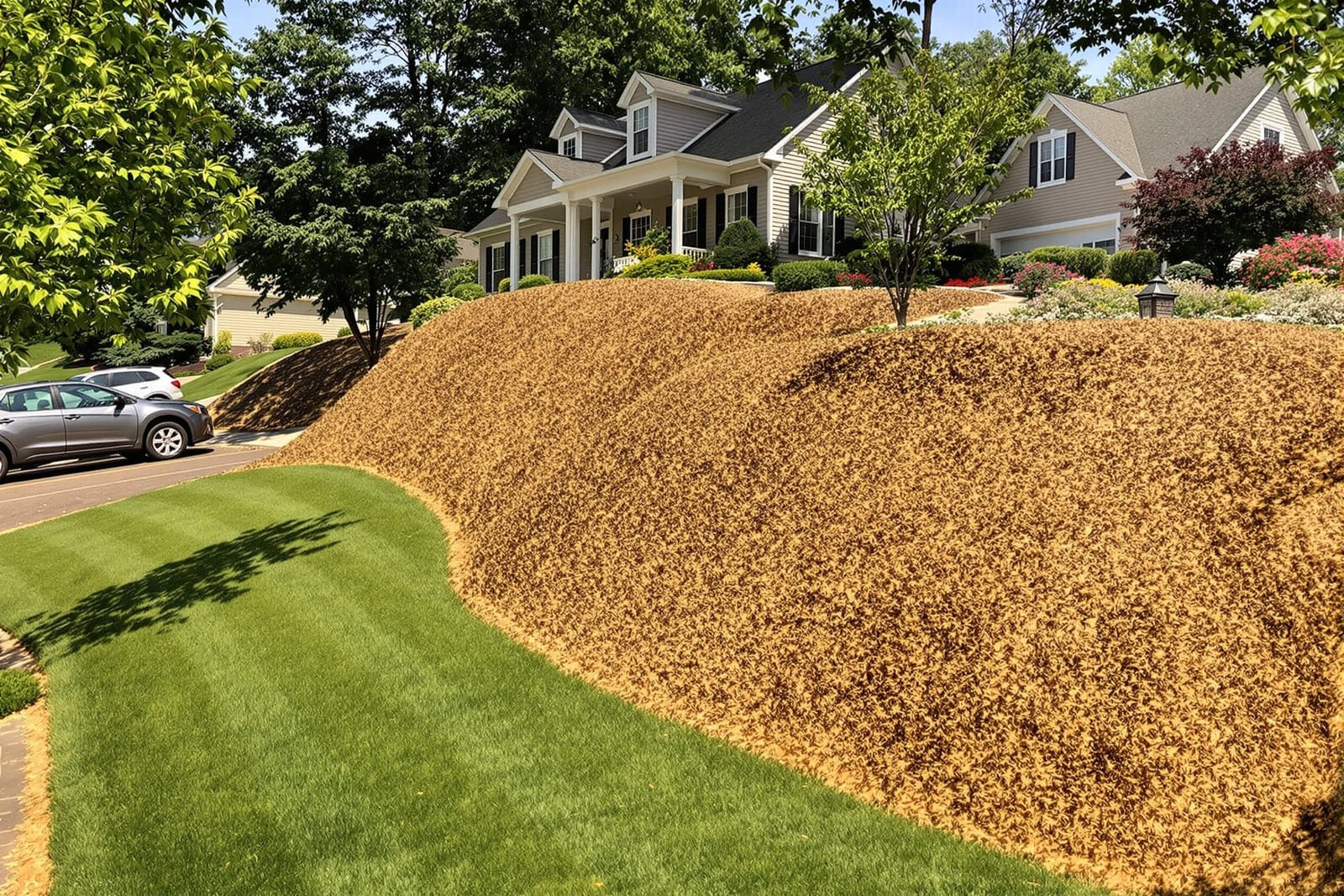
We provide residential erosion control hydroseeding in Houston, TX to stabilize slopes, drainage swales, and embankments around your home. Our engineered seed, mulch, and tackifier mixes lock into the soil, reduce washouts, and quickly establish deep rooted vegetation that protects your property from storm damage and sediment loss.
Legendary Hydroseeding Houston provides professional residential erosion control hydroseeding throughout Houston, TX, Texas and the surrounding area. Our licensed, insured crew delivers safe, clean, on-time work with a free estimate before anything begins. Call 346-420-5672 or request your free quote.
Hydroseeding Solutions That Protect Houston Slopes And Banks
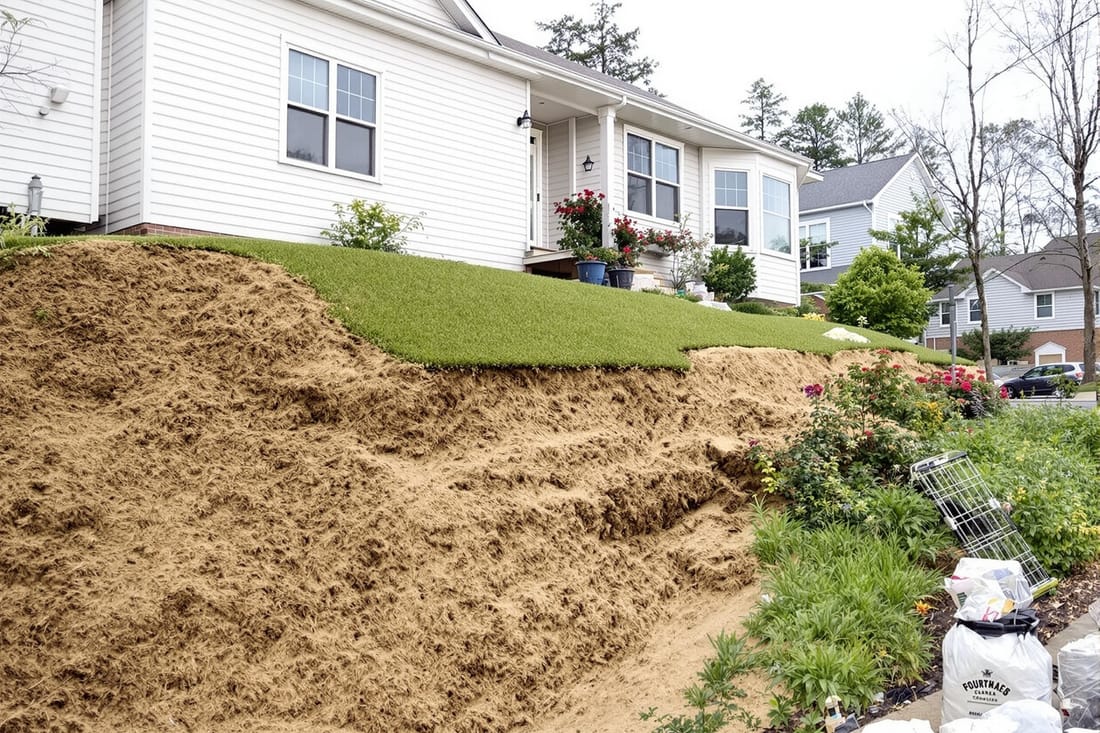
Steep slopes and drainage banks around homes in Houston take a beating from heavy Gulf Coast rains. When bare soil is exposed, it can quickly turn into ruts, washouts, and muddy runoff that threatens foundations, fences, and landscaping. Legendary Hydroseeding Houston specializes in residential erosion control hydroseeding that stabilizes these problem areas with dense, deep‑rooted vegetation tailored to our local climate.
Instead of laying rolls of sod that can slip on steep grades, we apply a slurry of seed, mulch, fertilizer, tackifier, and soil amendments directly onto the slope under pressure. The mulch layer protects the soil surface from raindrop impact and sun, holds in moisture, and locks the seed in place so it can germinate evenly even on challenging grades and around drainage channels.
Our crews focus on the issues Houston homeowners actually face, like eroded bayou banks, sloped side yards draining toward the house, or bare soil left by pool or foundation work. We design each residential erosion control hydroseeding mix to stand up to intense downpours, high humidity, and long hot summers, so once your slope greens up, it stays put.
How Residential Erosion Control Hydroseeding Works Step By Step
Every slope and bank erosion control hydroseeding project starts with a site walk. We look at slope angle, soil type, drainage patterns, shade or sun exposure, and what is upslope and downslope of the area. In Houston clay, water often travels on the surface instead of soaking in, so we pay close attention to where runoff concentrates and where it is already cutting small channels.
Next comes surface prep. For moderate slopes, we lightly scarify or rake the top half inch to one inch of soil so the slurry has something to grip and roots can penetrate. On highly compacted clay, we may recommend light tilling or adding organic matter at the surface to improve infiltration. We remove loose debris, large rocks, and existing weeds that would compete with new seedlings.
We then select a custom seed blend. For most residential erosion control hydroseeding in Houston, we use a combination of quick‑germinating cover species that come up fast to hold the soil, and deep‑rooted grasses or groundcovers that provide long‑term stability. Options might include Bermuda or zoysia for sunny slopes, or turf‑type fescues and certain natives for partially shaded banks. For areas that may occasionally flood, we can add moisture‑tolerant species that survive short periods of standing water.
Once the plan is set, we mix the hydroseeding slurry on site in our tank. The mix typically includes seed, paper or wood fiber mulch, organic tackifier to help the slurry lock onto the slope, starter fertilizer matched to local soil conditions, and sometimes soil amendments such as lime or composted material if testing suggests they are helpful. The slurry is then sprayed evenly across the slope using high‑pressure hoses, with special attention to swales, gullies, and transition areas where erosion is worst.
After application, we do a final walkthrough with you to explain watering, foot traffic limits, and what to expect in the first 2 to 8 weeks. In many cases we schedule a follow‑up visit to check germination and advise on the first mowing and maintenance steps.
Hydroseeding Materials And Design Options For Houston Slopes
Not every slope or bank in Houston needs the same erosion control approach. At Legendary Hydroseeding Houston, we adjust the hydroseeding recipe and design based on angle, soil, and how critical the area is to your home or drainage.
For gentle to moderate slopes behind homes, a standard residential erosion control hydroseeding mix usually includes 100 percent wood or blended fiber mulch, which holds more moisture than straight paper mulch. This helps seed germinate during our hot, sometimes windy weather. We might pair that with a warm‑season grass blend suited to your irrigation habits, so you are not locked into a high‑maintenance lawn if you prefer a more naturalized bank.
On steeper slopes or around bayou and drainage banks, we often add a higher rate of tackifier or use a bonded fiber matrix for extra erosion resistance. Think of this as a flexible blanket that forms when the mulch, tackifier, and fibers dry together. It clings to the soil, resists washout in heavy cloudbursts, yet still lets seedlings push through.
If you want the slope to match an existing St. Augustine lawn, we can design a temporary seed mix for erosion control now, then plan a transition strategy, such as plugging or sodding over the stabilized area later. For homeowners seeking a lower‑water bank, we can incorporate more drought‑tolerant turf‑type varieties and certain low‑growing natives, which reduces long‑term irrigation needs.
For high‑visibility banks, like those near outdoor living areas, we can add seasonal color bands or groundcovers on the upper portion and reserve the most rugged erosion control mix for the lower, wetter area. The goal is to balance beauty, function, and maintenance so you get a slope that looks good and protects your property without constant rework.
Costs, Site Challenges, And How We Manage Houston Weather Risks
Several specific factors drive the cost of slope and bank erosion control hydroseeding in Houston. The largest is square footage and slope difficulty, since steeper or hard‑to‑reach areas require more setup time and hose work. Soil condition matters too. Severely compacted or badly eroded slopes may need extra grading or soil conditioning before hydroseeding, which we discuss clearly up front.
The type and rate of mulch and tackifier used also affect price. Standard residential erosion control hydroseeding mixes use a moderate mulch rate, but very steep banks or zones that receive concentrated runoff may need heavier coverage and stronger binding agents for the best chance of holding through early storms. Seed blend choices can change costs slightly, especially if you opt for more specialized or native species.
Houston weather is a major planning factor. A sudden storm right after application can damage unprotected soil on very steep banks. To reduce this risk, we watch the short‑term forecast and schedule work in windows where intense rainfall is less likely. On critical slopes, we sometimes phase projects, starting with the most vulnerable sections and using slightly heavier mulch and tackifier to help the slurry stay put.
Common site challenges include slopes that drain toward the house, areas where construction traffic has carved ruts, and banks next to concrete channels that accelerate water flow. Before we spray, we may cut shallow level steps or micro‑terraces in the surface to slow runoff, or shape small diversion swales to redirect water safely. These small grading adjustments are often the difference between a slope that holds and one that continues to wash.
We always explain these options, along with their cost implications, so you can choose the level of protection that fits your budget and your tolerance for risk in our unpredictable Houston storms.
Maintenance And What To Expect After Hydroseeding Your Slope
Residential erosion control hydroseeding does not end the day we spray. The first 6 to 10 weeks are critical for establishing a root system strong enough to anchor your slope before the next big rain event. Legendary Hydroseeding Houston provides clear, written aftercare instructions tailored to your property, and we are available to answer questions as the new vegetation comes in.
Watering is the most important step under Houston conditions. Typically, you will water lightly but frequently at first so the mulch stays moist, without creating puddles that could cause washing. As seedlings emerge, we gradually shift to deeper, less frequent watering to encourage roots to go down rather than stay near the surface. If your slope connects to an automatic irrigation system, we can help you adjust the schedule so it does not overwater and cause runoff.
Foot traffic must be limited until the grass is ready. Walking on a freshly hydroseeded bank can crush seedlings and disturb the protective mulch crust. For steep slopes, we recommend planning alternative paths before we start the work, especially if the area is along a commonly used shortcut to side gates or outdoor features.
You will begin to see a green haze of growth in 5 to 14 days under warm conditions, and a more solid cover by 4 to 6 weeks. The first mowing usually happens when the grass reaches about 3 to 4 inches, and it must be done carefully with sharp blades so the plants are cut, not ripped out. For difficult banks, we often recommend trimmers or specialized slope‑safe equipment.
Over time, some natural thinning or small bare spots can appear, especially after extreme storms or if shade patterns change due to tree growth. We can overseed or spot treat these areas to keep the protective cover continuous. If you choose a more naturalized bank with mixed species, we can also help you develop a seasonal maintenance plan that balances erosion control with the look you want.
Why Work With A Local Houston Hydroseeding Team For Erosion Control
Slopes and banks in the Houston area behave differently from those in drier or colder regions. Our combination of heavy clay soils, intense thunderstorms, and long growing season means erosion control must be approached with local knowledge and practical experience. Legendary Hydroseeding Houston focuses specifically on these conditions so the solutions we recommend are grounded in how our soils and grasses actually respond.
Because we work across neighborhoods from Katy and Cypress to Pearland and Kingwood, we see patterns in how different subdivisions were graded and how their drainage systems perform. Some communities have long shared side slopes between houses, others have cut banks behind fences that drop to drainage channels. This familiarity helps us anticipate where water will go when it leaves your roof, driveway, and neighboring yards and how that will affect your particular bank.
We are also familiar with local municipal and HOA expectations, such as maintaining stable groundcover on visible slopes and avoiding sediment washing into storm drains or bayous. When needed, we can coordinate with you to provide documentation of erosion control measures for HOA approvals or property records.
Most importantly, being local means we can time your residential erosion control hydroseeding to the most favorable windows of the year and respond if your site needs adjustments. If a rare but severe storm hits right after installation, you are not left with a generic leaflet and a distant call center. You can reach out to the same Houston‑based team that assessed your slope, designed your mix, and knows exactly what was applied.
If you are dealing with a slippery side slope, a crumbling bayou bank at the back fence, or washouts around new construction, a short visit from our crew can give you a clear picture of what is happening and practical options to fix it before it becomes a bigger structural or drainage issue.