Home › Stormwater Swale and Rain Garden Hydroseeding
Our swale hydroseeding services in Houston, TX help manage stormwater with attractive, well vegetated rain gardens and drainage channels. We use deep rooting grasses and native plants that slow runoff, filter pollutants, and stabilize soil while blending into your landscape design.
Legendary Hydroseeding Houston provides professional swale hydroseeding throughout Houston, TX, Texas and the surrounding area. Our licensed, insured crew delivers safe, clean, on-time work with a free estimate before anything begins. Call 346-420-5672 or request your free quote.
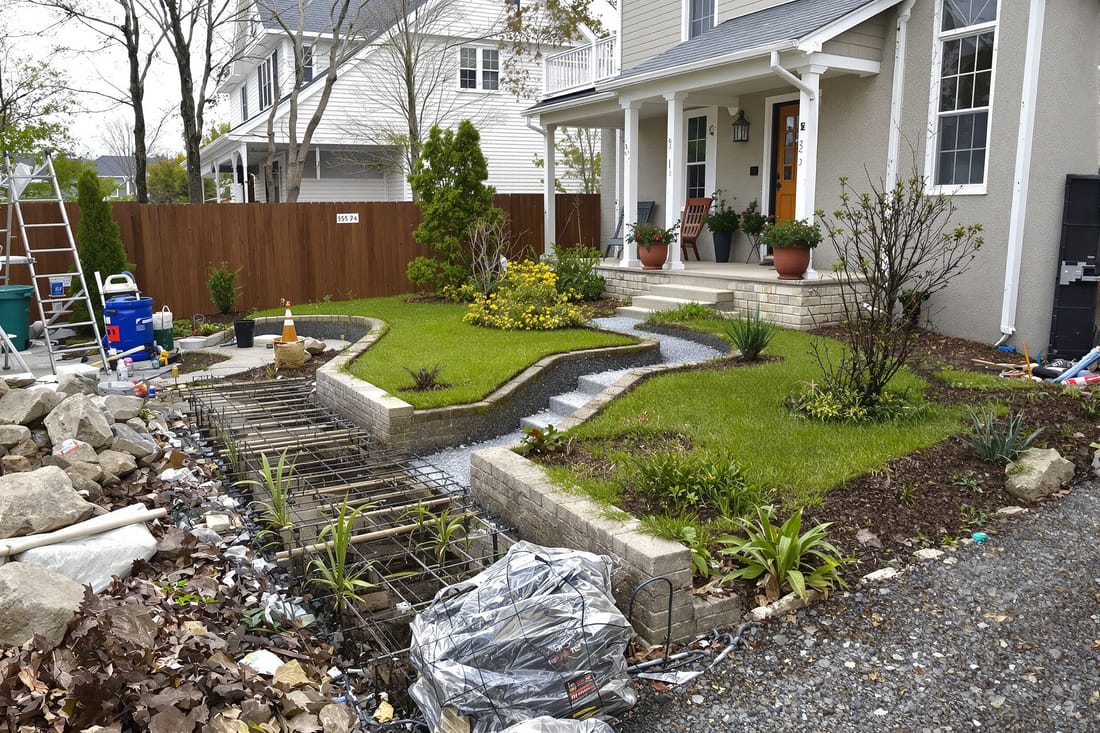
Stormwater swales and rain gardens that actually work in Houston weather
On a flat, flood‑prone site like most of Houston, a stormwater swale or rain garden lives or dies by how well the vegetation establishes. That is exactly where swale hydroseeding comes in.
At Legendary Hydroseeding Houston, we design and seed swales and rain gardens so they handle Gulf Coast downpours without turning into muddy ruts or weed patches. Instead of hand seeding and hoping for the best, we apply a pressurized slurry of seed, mulch, fertilizer, tackifier, and water that is blended for your specific drainage feature. This creates a protective blanket that keeps seed in place through heavy rain, helps it germinate evenly, and supports deep rooting in our clay and gumbo soils.
We work on residential drainage improvements, commercial stormwater retrofits, and new construction sites throughout the Houston metro. Whether you have a shallow roadside swale, a bioswale along parking lots, or a backyard rain garden tied into your downspouts, we tailor the mix and application so the vegetation does its real job: slowing water, soaking it into the soil, and filtering out sediment and pollutants.
How swale hydroseeding is done step by step
Effective swale hydroseeding starts well before we pull the hose off the truck. Here is what the process looks like when you work with Legendary Hydroseeding Houston.
1. Site walk and drainage review: We start with a walk of the swale or rain garden path, checking slopes, low spots, inlets and outlets, and any existing erosion. In Houston, we pay close attention to how your site connects to the street or bayou, since backflow during big storms can change how water moves.
2. Soil preparation and grading: Hydroseeding will not fix poor grading. We confirm there is a continuous, gentle fall, usually 1 to 4 percent for swales, so water moves without scouring. If needed, we regrade with a small skid steer or by hand in tighter spaces, break up compaction to at least the top 3 to 4 inches, and remove rocks, construction trash, and thick thatch from old turf.
3. Soil amendments for Houston clays: Our native soils often drain poorly yet still crust and repel water on top. Based on what we see in the field, we may till in compost, gypsum, or a sandy amendment along the swale channel and rain garden basin. This improves infiltration and reduces the chance of standing water that can drown new seedlings.
4. Custom hydroseed mix selection: We select seed species for your exact use, such as erosion tolerant turf for a mowable swale, deep rooted native grasses and rushes for a bioswale, or mixed wildflowers and sedges for a decorative rain garden. We regularly use combinations of bermudagrass, buffalo grass, sedges, rushes, and regionally appropriate natives, and we avoid species that turn invasive in southeast Texas.
5. Hydroseed application: Using a mechanical agitated hydroseeder, we blend seed, paper or wood fiber mulch, starter fertilizer, and a tackifier so the slurry can cling to sloped banks. We spray the swale bottom, side slopes, check dams, and rain garden basin evenly, adjusting nozzle pattern and pressure to avoid displacing soil. On steeper slopes or high flow zones, we can increase mulch depth or tackifier rate for extra holding power.
6. Post application inspection: Before leaving, we walk the entire length again to check coverage at inlets, around culverts, behind headwalls, and in tight corners. Any thin areas are immediately touched up so the system performs as intended in the next storm.
Seed, mulch, and design options for Houston swales and rain gardens
No two drainage systems are the same, and in our climate the wrong plant mix can fail quickly. Legendary Hydroseeding Houston helps you choose a hydroseed recipe and layout that matches how your swale or rain garden will be used and maintained.
Vegetation options and goals:
• Mowable turf swales: If your swale runs through a front lawn or commercial frontage, we typically recommend a bermudagrass based mix for sun or a shade tolerant blend for tree lined streets. These can be maintained with a regular mower once established, as long as you keep the blades higher over the swale channel.
• Native and low maintenance bioswales: Along parking lots or in common areas that do not need to be manicured, we lean toward native warm season grasses, sedges, and rushes that can handle periodic flooding and drought. These deeper roots help stabilize side slopes and increase infiltration.
• Rain garden mixes: For rain gardens tied into roof downspouts, we can integrate flowering perennials and native grasses that handle both wet and dry cycles, so the feature is both functional and attractive. The hydroseed slurry may use a heavier mulch rate to protect the shallow basin from rainfall impact.
Mulch and tackifier choices:
In Houston, intense thunderstorms can hit newly seeded swales within days. To keep seed in place, we often specify wood fiber mulch on steeper or higher flow sections because it knits together more firmly than basic paper mulch. We adjust tackifier type and rate based on slope and soil texture. On sensitive sites, such as near stormwater outfalls or where there have been previous erosion issues, we may also recommend combining hydroseeding with biodegradable erosion control blankets at critical transitions.
Functional design considerations:
We coordinate with your engineer or landscaper on details like check dams, rock energy dissipaters, and overflow paths so the vegetation we hydroseed is working with the structure, not fighting it. For example, we may leave rock pads bare and hydroseed only the soil above and below them to maintain flow capacity, or use a different mix around inflow points where water first enters the system and can be more erosive.
Costs, timing, and what affects your swale hydroseeding price
Homeowners and property managers in Houston often ask why one swale hydroseeding quote is higher than another. We are transparent about what drives cost so you can compare proposals fairly.
Main cost factors:
• Size and accessibility: Long roadside swales that we can reach with the truck and a standard hose are more efficient than narrow backyard swales that require dragging hose around structures or working through gates. Tight access or significant hand work adds time.
• Slope and erosion risk: Steeper side slopes, high flow zones, or locations that see concentrated discharge from large roofs or parking lots usually require heavier mulch loads, stronger tackifiers, or companion erosion control blankets. This increases material cost but avoids washouts.
• Soil improvement needs: On some Houston lots, especially new builds, the topsoil has been stripped and the remaining clay is compacted by heavy equipment. If we need to bring in compost, perform extensive tilling, or adjust grades, that will be reflected in the estimate.
• Seed mix complexity: Simple turf mixes are less expensive than diverse native or ornamental rain garden blends with multiple species and seasonal interest. We are happy to quote multiple options so you can weigh aesthetics, maintenance, and cost.
Timing considerations in Houston:
Our warm climate allows a long hydroseeding window, but certain times are better for stormwater features. For warm season mixes, we typically recommend late March through early October so soils are warm enough for quick germination and roots have time to develop before any rare cold snaps. If you choose a mix with cool season components, late fall can also work. We try to avoid starting a new swale or rain garden when multi day heavy rain is forecast, since extreme storms can damage freshly prepared soil before the mulch crust has formed.
To keep your project on schedule, we will discuss your construction timeline, other trades on site, and when hardscape or grading will be complete. Hydroseeding is usually one of the last steps, after final grading, concrete, and underground utilities are finished.
Maintenance, common problems, and how we help you avoid them
A well hydroseeded swale or rain garden should get stronger over time, not weaker. That only happens if the first weeks are managed properly and common Houston issues are addressed early.
Early care instructions:
Before we leave, Legendary Hydroseeding Houston gives you a simple watering and mowing schedule tailored to your project. Many drainage features rely mostly on natural rainfall, but in periods without rain we may recommend light irrigation to keep the mulch moist, not saturated. Overwatering can cause ponding and seed float, especially in clay soils.
Mowing or trimming is usually delayed until vegetation reaches 4 to 6 inches, then only the top third should be cut. For rain gardens and bioswales, we often suggest seasonal trimming rather than regular mowing, so the plants can develop full root systems.
Common problems we plan for:
• Short, intense storms soon after installation: We design the mulch and tackifier rates assuming this will happen at least once. If a truly extreme event occurs and causes spot erosion, we can spot treat those areas with additional hydroseed or localized repairs.
• Weeds and volunteer grasses: Disturbed soil in Houston wakes up a lot of weed seed. A light presence is normal. We focus on getting the desired species dense and healthy so they outcompete weeds. If needed, we can recommend selective herbicide strategies once the new vegetation is mature enough.
• Standing water in rain gardens: Some temporary pooling is expected, but if water sits for days there may be a grading or soil infiltration issue. We can evaluate whether minor regrading, soil amendment, or plant mix adjustment can solve it without reconstructing the whole feature.
Long term support:
For commercial and community sites, we often schedule follow up visits at 30 and 60 days to check establishment, adjust maintenance recommendations, and flag any trouble spots around inlets or high traffic crossings. For homeowners, we remain available by phone or email with photos, so you are not left guessing whether your swale or rain garden is on track.
Our goal is that your hydroseeded drainage feature survives its first Houston summer and its first major storm season, then becomes the quiet workhorse of your property, moving water where it should go and looking good while it does.