Home › Pipeline and Utility Corridor Hydroseeding
We offer pipeline hydroseeding in Houston, TX to restore disturbed rights of way, trench lines, and utility corridors. Our crews mobilize along long linear projects, applying vegetation systems that control erosion and blend with adjoining land uses.
Legendary Hydroseeding Houston provides professional pipeline hydroseeding throughout Houston, TX, Texas and the surrounding area. Our licensed, insured crew delivers safe, clean, on-time work with a free estimate before anything begins. Call 346-420-5672 or request your free quote.
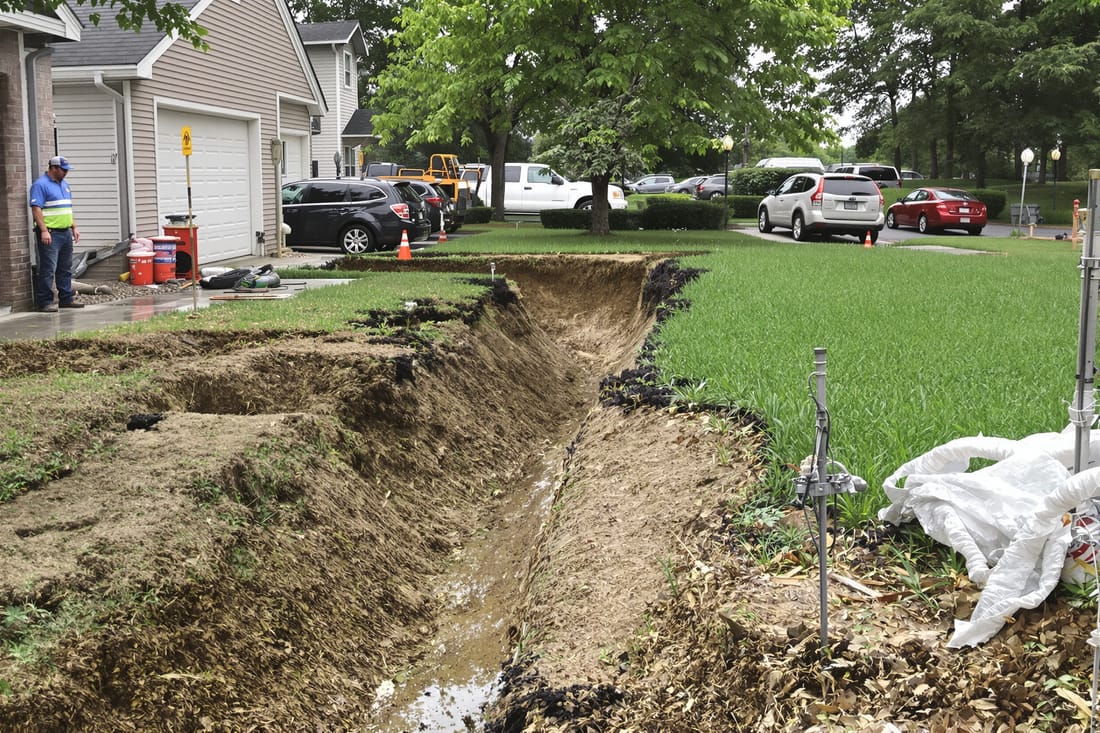
Pipeline Hydroseeding for Houston’s Rights of Way
Pipeline and utility corridor hydroseeding is different from seeding a yard or a flat commercial lot. You are dealing with long, narrow easements, steep cut and fill slopes, and disturbed clay soils that run for miles across Houston and the surrounding Gulf Coast. At Legendary Hydroseeding Houston, we focus specifically on stabilizing these corridors so they meet regulatory requirements, protect the buried infrastructure, and blend back into the surrounding landscape.
Our pipeline hydroseeding work usually comes in right after the line is installed and backfilled, or after rehab work like integrity digs. The goal is to quickly establish vegetation to control erosion on the ROW, prevent sediment from washing into nearby bayous and drainage ditches, and reduce long term maintenance like regrading and sediment removal. We tailor our seed mixes and hydraulically applied mulches to Houston’s heat, clay soils, and intense storm events so your corridor holds together when the first heavy rain hits.
Whether you manage midstream oil and gas lines, high voltage transmission corridors, or municipal utilities, we coordinate with your construction schedule and environmental plan. Our crews are used to working under tight outage windows and in remote access sections, and we bring the right sized hydroseeding units so we can reach long stretches efficiently without tracking heavy equipment all over your finished ROW.
How Pipeline and Utility Corridor Hydroseeding Actually Works
A typical pipeline hydroseeding project with Legendary Hydroseeding Houston starts with a site walk of the corridor. We inspect the soil condition, slope angles, any rock outcrops, and drainage features like swales and tie ins to existing ditches. If the soil is heavily compacted from equipment traffic, we may recommend scarifying or discing the top few inches so the slurry can bind and roots can penetrate.
Next we design the seed and mulch prescription. For Houston, we often combine fast establishing cover species like annual rye (during cooler months) or quick germinating native warm season grasses with longer term perennials. In sensitive areas or mitigation tracts we lean on native species such as little bluestem, Indiangrass, and switchgrass that can handle local rainfall patterns and temperature swings. On utility corridors that must remain accessible for future digs, we may specify lower growing species that will not interfere with line locates or inspection.
Once the mix is set, we load our hydroseeder with water, seed, fertilizer if required by the reclamation plan, tackifiers, and a mulch product. Along pipelines and utility corridors we often use a heavier wood fiber or bonded fiber matrix instead of basic paper mulch, especially on steeper side slopes or where flows concentrate. The slurry is then sprayed evenly across the disturbed ground using a turret gun for longer reaches and handheld hoses for detail work around structures, valves, and culverts. We pay special attention to slope transitions and tie ins to undisturbed vegetation so there are no weak edges that can ravel in a storm.
After application, we mark and document coverage, note any areas that may require a second pass, and coordinate with your inspectors or environmental staff. We also provide watering and establishment guidance. Since many corridors through Houston have limited permanent irrigation, we design mixes with realistic germination expectations under natural rainfall, and we discuss temporary watering trucks for high risk erosion sections if your schedule or permit conditions require faster turf establishment.
What Drives Cost on Pipeline Hydroseeding Projects
Pipeline hydroseeding pricing is driven by more than just the linear footage of corridor. At Legendary Hydroseeding Houston, we walk you through the cost factors so you can plan budgets accurately and avoid surprises during construction.
Access is one of the biggest variables. Easy access alongside a stable maintenance road allows us to cover more area per day with larger hydroseeders. If sections require tracked equipment, long hose runs, or staging on public roads with traffic control, production slows and labor costs rise. We evaluate access during the bid phase and suggest practical adjustments, such as temporary access points or adjusted construction sequencing, that can keep hydroseeding efficient.
Material selection is another key driver. Basic fiber mulch on gentle slopes is less expensive, but on Houston’s frequent 3:1 or steeper cut slopes or near drainage crossings you may need a high end bonded fiber matrix or application over installed erosion control blankets. Choosing the right product often saves money over time because it reduces the risk of washouts and rework after heavy Gulf Coast storms. Seed type matters too. Native mixes for environmental mitigation corridors cost more per pound than standard roadside blends, but they often satisfy permit conditions, reduce mowing needs, and handle local conditions better.
Timing also affects cost. Scheduling hydroseeding for late winter through spring or early fall in Houston typically gives the best establishment with minimal supplemental watering. Trying to hydroseed long corridors in peak summer heat may require heat tolerant species and more water support, both of which add cost and risk. We help you align your construction schedule so final grading and hydroseeding hit that more forgiving weather window whenever possible.
Managing Houston’s Weather, Soils, and Regulatory Requirements
Pipeline and utility corridor projects around Houston have to contend with intense thunderstorms, heavy clay soils that hold water, and strict stormwater regulations. Legendary Hydroseeding Houston structures each project with these realities in mind.
On the erosion side, we design our hydroseeding approach to work with your SWPPP (Stormwater Pollution Prevention Plan) and EPA or TCEQ requirements. That often means reinforcing high risk sections like stream crossings, road bores, or steep tie ins with a combination of hydroseeding and erosion control blankets or turf reinforcement mats. We hydroseed either under or over those materials depending on the product specifications, then verify that coverage meets your permit or environmental plan.
The local soils also drive our fertilizer and amendment decisions. Many pipeline easements cross highly plastic clays that can crust over when dry and turn slick when wet. If soil tests show low organic matter, we may recommend adding compost or topsoil in extremely poor sections prior to hydroseeding so the seed has a real chance to establish. In some utility corridors that cross sandy or disturbed fill near industrial sites, we may shift the mix to more drought tolerant species and adjust fertilizer rates so we do not create runoff issues into adjacent drainage channels.
We also plan for access maintenance and mowing. Regulators and operators often require that the ROW remain visible for aerial or ground patrols. That means designing a vegetative cover that stabilizes the corridor without turning it into a tall, woody thicket. We talk through your long term maintenance plan, expected mowing frequency, and equipment limitations, and then choose species and application rates that fit that reality rather than a generic spec copied from another region.
What Houston Pipeline Owners Should Know Before Hiring
Before you bring in a contractor for pipeline hydroseeding, it helps to know what to ask so you get a result that actually holds up in Houston’s climate. Legendary Hydroseeding Houston encourages owners and GCs to request project specific seed and mulch specs, not just a one line “hydroseeding” item. Ask vendors to explain why they chose each component for this corridor, in these soils, and in this season, and how the mix will respond to Houston’s rainfall patterns.
You should also confirm that the contractor has equipment sized for linear work. A smaller lawn style hydroseeder may be fine for a short valve site, but it is inefficient and risky on miles of pipeline ROW. We run truck and trailer mounted units with large tanks and powerful pumps so we can reach long stretches and steeper slopes without constant refilling or improvised methods that lead to thin coverage.
Insurance, safety, and environmental practices matter too. Crews working on active utility corridors must be comfortable with confined work windows, live lines nearby, and company specific safety orientations. Ask for documentation of experience on similar pipeline or transmission projects, not just residential lawns. We maintain strict housekeeping so no slurry ends up on roads or in drainage features where it does not belong, and we can provide photo documentation and as built notes for your environmental records.
Finally, discuss follow up expectations. Hydroseeding is the starting point, not the end, of successful corridor restoration. Have a plan for checking germination after the first few rains, addressing any washouts promptly, and tweaking future sections if needed based on early performance. Legendary Hydroseeding Houston offers follow up inspections and, when requested, touch up applications so the entire line segment reaches stable cover and passes environmental and construction closeout inspections on schedule.